Blankets are a versatile part of bedding, adding a layer of warmth and helping regulate comfort across changing seasons. Their weight, weave, and material affect softness, breathability, and heat retention. Choosing a blanket that suits the room temperature and personal sleep preferences can support a more comfortable rest alongside sheets and pillows.
Blanket fibers influence how a covering feels and performs. Wool can provide insulating warmth while allowing air to circulate, whereas cotton and other lightweight weaves may suit warmer conditions. Consider texture, durability, care requirements, and sensitivity to particular materials when comparing bedding. These characteristics help determine whether a blanket works best for sleeping, lounging, or layering.
Blankets are one component of a broader sleep system that may include pillows, memory foam pillows, sheets, and a supportive mattress. Each layer serves a different purpose: blankets provide surface warmth, while pillows support head and neck positioning. Organic materials in bedding may also appeal to people who prioritize natural fibers and material sourcing.
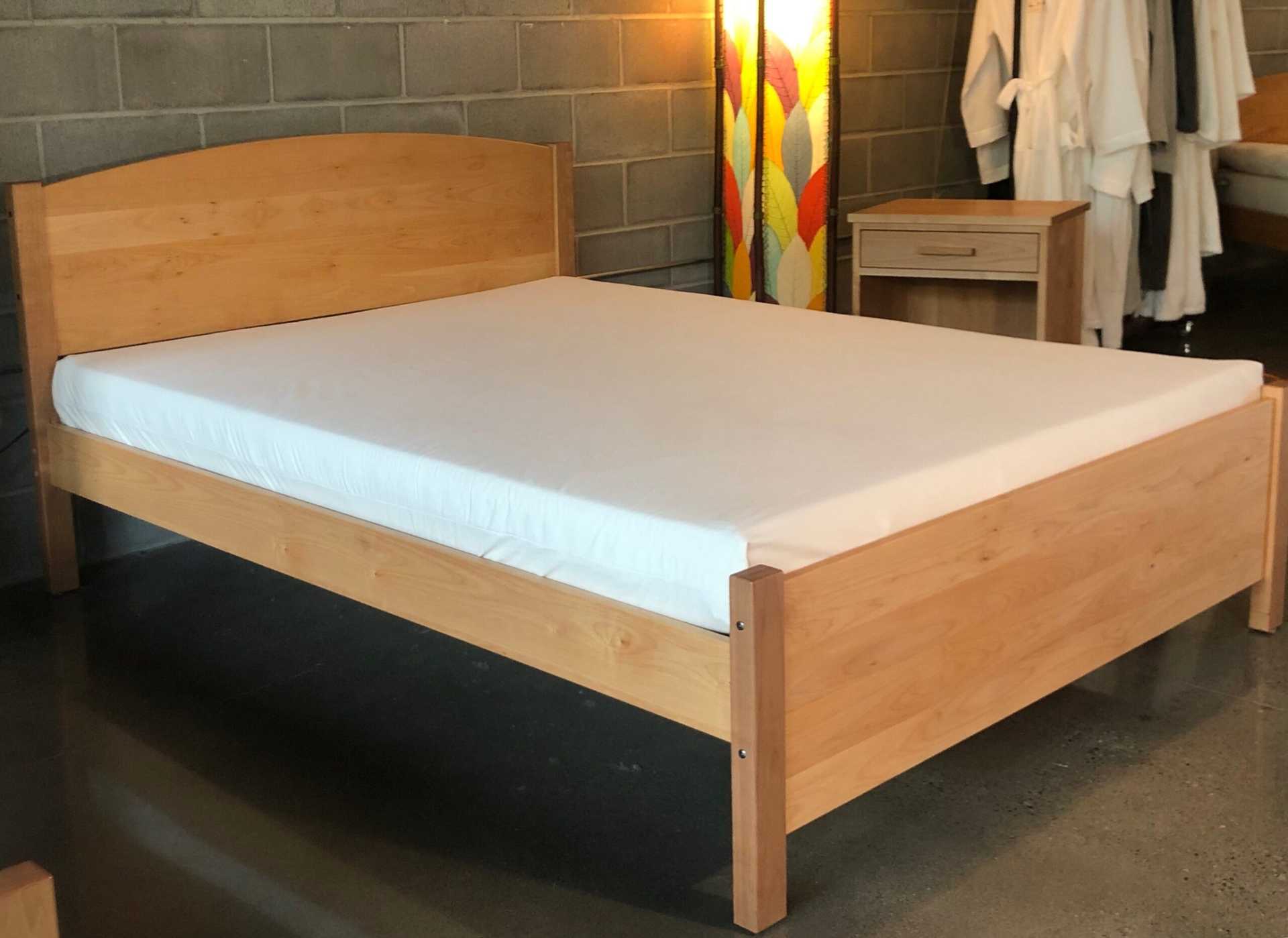
The Organic Mattress - Latex 6.5" is a mattress rather than a blanket, and its latex construction provides a resilient sleeping surface with responsive support. Its 6.5-inch profile may suit settings where a lower mattress height is useful. In a complete bedding setup, a suitable blanket adds adjustable warmth without changing the mattress’s underlying support characteristics.
The Natural Wool & Latex Mattress 6.5 Inch combines natural wool with latex in a low-profile mattress design. Wool can contribute insulation and moisture management, while latex offers responsive support; these functions differ from a blanket’s role as a removable warmth layer. Understanding this distinction helps place mattresses, blankets, organic mattresses, sheets, and pillows appropriately within bedding.
 Bedding